
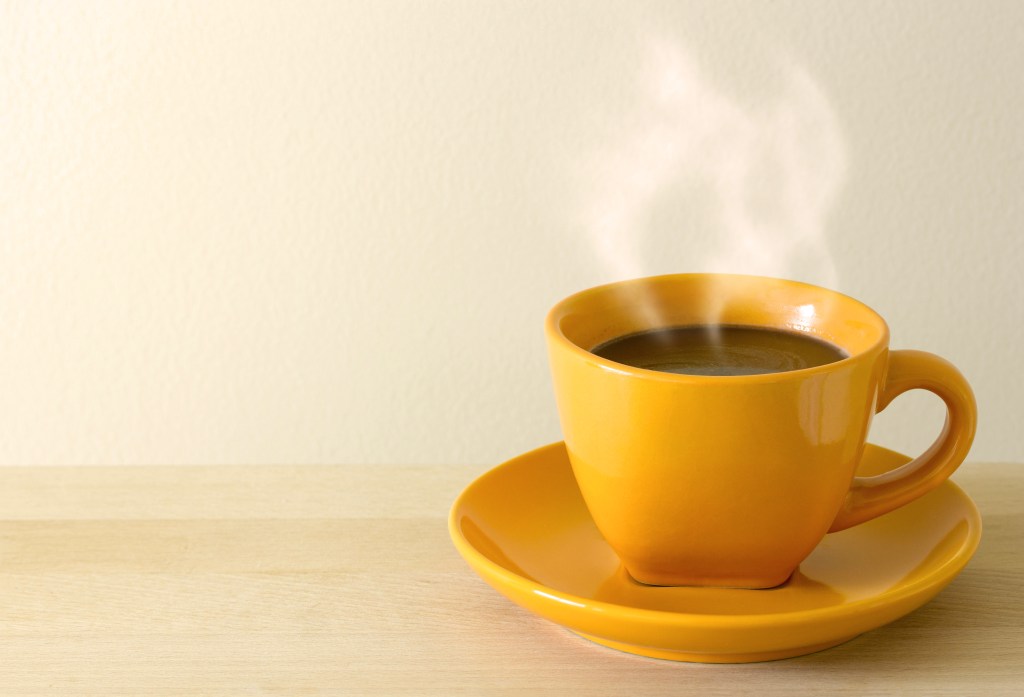

Lids, Cups, and Liability: How Burn Injuries Actually Happen
Hot beverage burn injuries are often dismissed as simple accidents.
In reality, many serious burns happen because something failed in the way a drink was prepared,
packaged, or handed to a customer. Lids pop off, cups collapse, sleeves are missing,
or drinks are served at unsafe temperatures—all of which can turn an ordinary purchase
into a painful and life-altering injury.
Executive Summary
Burn injuries from hot beverages frequently result from preventable failures involving lids,
cups, and handling practices. These cases are not about beverages being hot—they are about
whether reasonable care was used to prevent foreseeable harm. Under North Carolina law,
businesses may be responsible when unsafe conditions, defective packaging, or improper handling
lead to burn injuries.
Why Hot Beverage Burns Are More Serious Than People Realize
Coffee, tea, and other hot drinks are often served at temperatures capable of causing
second- or third-degree burns within seconds. When those liquids spill onto skin,
especially in sensitive areas, the injuries can require extensive medical treatment.
Burn injuries commonly affect:
- Thighs and lap areas when drinks spill while seated
- Hands and wrists when lids fail during carrying
- Feet and ankles when cups drop or leak
- Children and elderly individuals who have more vulnerable skin
These injuries can lead to scarring, infection, nerve damage, and long-term pain.
How Lids and Cups Actually Fail
Contrary to popular belief, most hot drink burns do not occur because someone was careless.
They happen because something went wrong with the container or how the drink was handled.
Common failure points include:
- Lids that are not properly secured
- Low-quality or warped lids that do not seal correctly
- Cups that buckle or collapse under heat
- Missing or inadequate cup sleeves
- Overfilled cups that spill with minimal movement
- Drinks handed across counters without stability
In many cases, customers have no way to detect these problems before an injury occurs.
North Carolina Legal Framework for Hot Beverage Burn Injuries
Burn injury claims involving hot beverages are typically evaluated under North Carolina
premises liability and negligence principles. The key question is whether the business
used reasonable care under the circumstances.
Issues commonly examined include:
- Whether the drink was served at an unreasonably high temperature
- Whether lids and cups were appropriate for hot liquids
- Whether employees followed safe handling procedures
- Whether warnings or sleeves were provided when necessary
- Whether similar incidents had occurred before
North Carolina applies a strict contributory negligence rule.
Businesses often argue the injured person caused the spill.
Careful documentation and evidence are critical in evaluating these claims.
This article provides general information, not legal advice. Outcomes depend on specific facts.
Common Questions After a Hot Drink Burn
Isn’t coffee supposed to be hot?
Yes—but there is a difference between hot and unreasonably dangerous.
The issue is not temperature alone, but whether the drink was safely packaged and handled.
What if the lid popped off?
Lid failure is a common factor in burn cases.
Investigating whether the lid was defective, improperly secured,
or incompatible with the cup is often important.
What if the cup collapsed?
Cup integrity matters. Thin or defective cups may not withstand heat or pressure,
increasing the risk of sudden spills.
Do these cases require severe burns?
No. Even moderate burns can involve significant pain, scarring,
and medical treatment depending on location and healing complications.
Evidence That Can Matter in Burn Injury Claims
| Evidence | Why It Matters |
|---|---|
| Cup and lid (if preserved) | Shows defects or poor fit |
| Photos of burns | Documents severity and progression |
| Incident reports | Creates a contemporaneous record |
| Medical records | Establishes treatment and impact |
| Witness statements | Supports how the spill occurred |
| Surveillance footage | May capture handling or lid failure |
What to Do After a Hot Beverage Burn
- Seek medical attention promptly
- Report the incident immediately
- Preserve the cup, lid, and clothing if possible
- Photograph the injury and surrounding area
- Avoid making assumptions or recorded statements
Early action can help protect both your health and your ability to understand what went wrong.
Talk to a North Carolina Burn Injury Lawyer
Burts Law, PLLC represents individuals injured by unsafe conditions, including hot beverage burn injuries.
We help clients understand how these injuries happen, evaluate liability,
and navigate the legal process with clarity and care.
Contact Burts Law, PLLC to schedule a consultation and learn more about your options.
