
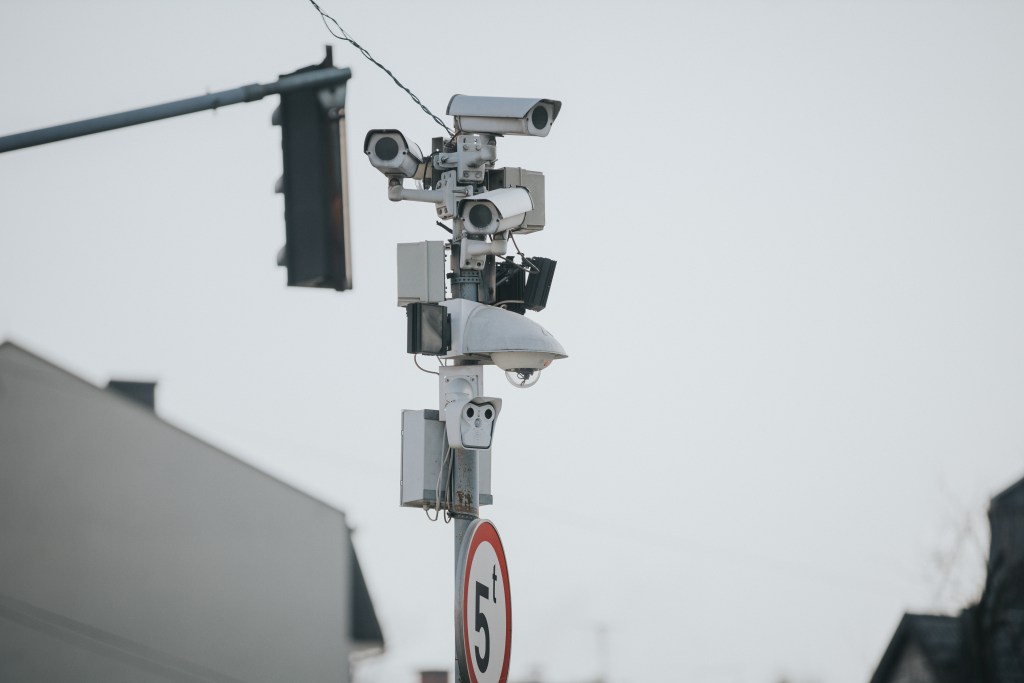

How Surveillance Footage Impacts Injury Claims in NC
Surveillance cameras are everywhere—from retail stores and apartment complexes to parking lots and office buildings. When an accident or injury occurs, video footage can play a critical role in determining what happened.
In North Carolina injury claims, surveillance footage is often one of the most powerful pieces of evidence. It can support or challenge claims about liability, timing, and the severity of an incident.
Executive Summary
Surveillance footage can significantly impact injury claims in North Carolina by providing visual evidence of how an incident occurred. It may help establish liability, confirm timelines, and support or dispute witness statements. However, access to footage and how it is interpreted can affect its role in a case.
Why Surveillance Footage Matters
Video evidence can provide an objective view of an incident. Unlike witness testimony, which may vary, surveillance footage captures events as they unfold.
This can help answer key questions such as:
- How the accident occurred
- Whether hazards were present
- How people involved acted before and after the incident
Because of this, footage can be highly valuable in injury claims.
What Surveillance Footage Can Show
| Type of Information | Why It Matters |
|---|---|
| Cause of the Incident | Helps determine liability |
| Condition of the Area | Shows hazards such as spills or poor lighting |
| Timeline of Events | Establishes when the incident occurred |
| Actions of Those Involved | Supports or challenges witness statements |
| Response After Incident | Shows how quickly help was provided |
How Footage Can Strengthen a Claim
Surveillance footage can support an injury claim by providing clear visual evidence of negligence.
Examples include:
- A slip and fall caused by an uncleaned spill
- An assault occurring in an area with inadequate security
- A hazard that existed for an extended period without being addressed
This type of evidence can make it easier to establish liability.
How Footage Can Challenge a Claim
While surveillance footage can help claimants, it can also be used to dispute a claim.
Examples include:
- Showing that a hazard was not present
- Indicating that the injured person was not paying attention
- Contradicting statements about how the incident occurred
Because of this, footage must be carefully reviewed in context.
Accessing Surveillance Footage
Obtaining footage is not always automatic. Property owners or businesses typically control their surveillance systems.
Key considerations include:
- Footage may be deleted or overwritten quickly
- Requests should be made as soon as possible
- Legal processes may be required to obtain copies
Acting quickly can be critical to preserving evidence.
Limitations of Surveillance Footage
While helpful, surveillance footage is not always complete or conclusive.
- Cameras may not capture the exact incident
- Video quality may be poor
- Angles may not show all relevant details
- Footage may lack audio
These limitations can affect how the evidence is used.
Who May Use Surveillance Footage?
| Party | How It Is Used |
|---|---|
| Injured Party | To support claims of negligence |
| Property Owner | To defend against liability |
| Insurance Companies | To evaluate claims and damages |
| Attorneys | To build or challenge a case |
Key Factors in Using Surveillance Evidence
| Factor | Why It Matters |
|---|---|
| Timing of Request | Determines whether footage is preserved |
| Quality of Video | Affects clarity of events |
| Camera Angle | Impacts what is visible |
| Chain of Custody | Ensures evidence is reliable |
| Context | Helps interpret what the footage shows |
What To Do After an Incident
- Identify whether surveillance cameras are present.
- Request preservation of footage immediately.
- Document the location and time of the incident.
- Gather witness information if possible.
- Preserve all records related to the incident.
- Seek legal guidance to obtain and review footage.
Speak With Burts Law
If you were injured on someone else’s property in North Carolina, surveillance footage may play a key role in your case. Burts Law, PLLC can help you understand how video evidence may impact your claim and what steps to take to preserve it.
Contact Burts Law to schedule a confidential consultation and learn more about your legal options.
