
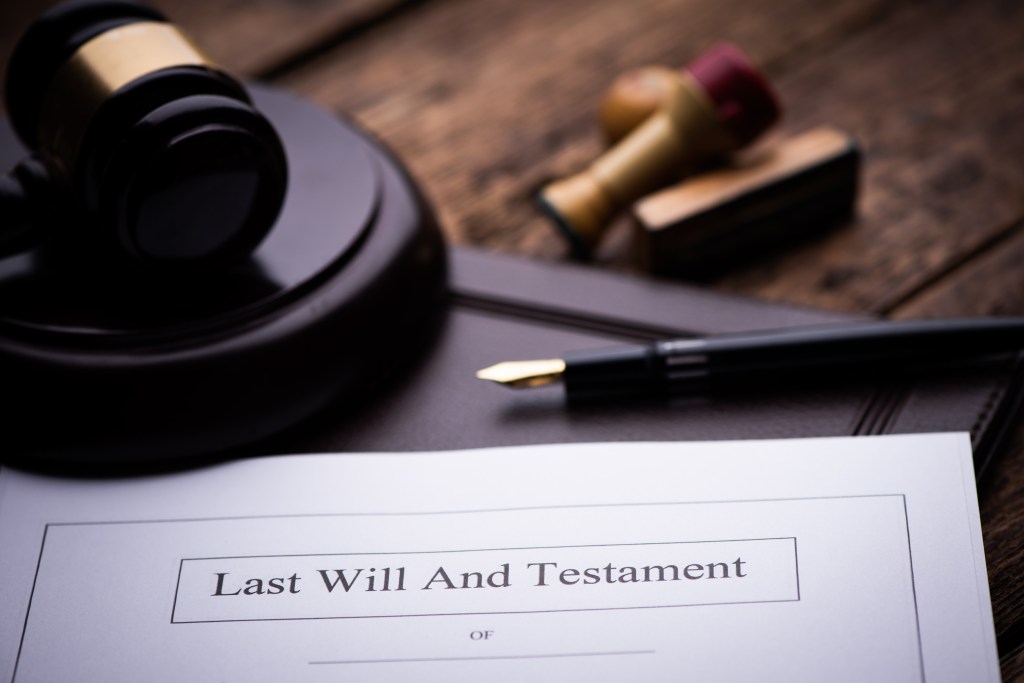

Wrongful Death Claims in North Carolina Explained
Losing a loved one is one of the most difficult experiences anyone can face. When that loss is caused by someone else’s negligence or wrongful actions, North Carolina law provides a legal path for certain family members to seek compensation through a wrongful death claim.
Understanding how these claims work can help families navigate the legal process during a challenging time.
Executive Summary
A wrongful death claim in North Carolina allows certain individuals to seek compensation when a person’s death is caused by negligence or wrongful conduct. These claims may include damages for medical expenses, lost income, and loss of companionship, among others.
What Is a Wrongful Death Claim?
A wrongful death claim arises when a person dies as a result of another party’s negligence, carelessness, or intentional act. The claim is intended to hold the responsible party accountable and compensate the deceased person’s beneficiaries.
These claims are civil cases, separate from any criminal proceedings that may also arise.
Common Causes of Wrongful Death
Wrongful death claims can arise from a variety of situations.
- Car and truck accidents
- Medical malpractice
- Workplace accidents
- Defective products
- Premises liability incidents
Each case depends on the specific facts and circumstances.
Who Can File a Wrongful Death Claim in NC?
In North Carolina, a wrongful death claim must be filed by the personal representative of the deceased person’s estate.
This individual may be:
- Named in the deceased’s will
- Appointed by the court if no will exists
Although the personal representative files the claim, any compensation is distributed to eligible beneficiaries under state law.
Who May Receive Compensation?
Damages recovered in a wrongful death claim may benefit certain surviving family members.
| Potential Beneficiary | Relationship |
|---|---|
| Spouse | Husband or wife of the deceased |
| Children | Biological or legally adopted children |
| Parents | May qualify in certain situations |
| Other Heirs | As determined by North Carolina law |
What Must Be Proven?
To succeed in a wrongful death claim, certain elements must typically be established.
- A death occurred
- The death was caused by another party’s negligence or wrongful act
- The deceased could have filed a personal injury claim if they had survived
- Damages resulted from the death
These elements must be supported by evidence.
Types of Damages in Wrongful Death Cases
North Carolina law allows for recovery of several types of damages in wrongful death claims.
Economic Damages
- Medical expenses related to the final injury or illness
- Funeral and burial costs
- Loss of the deceased’s income and benefits
Non-Economic Damages
- Loss of companionship and support
- Emotional distress of surviving family members
- Loss of guidance and services
Potential Additional Damages
- Pain and suffering experienced by the deceased before death
- Other damages allowed under North Carolina law
How Damages Are Distributed
Any compensation recovered is distributed according to North Carolina’s intestacy laws, not necessarily the terms of a will.
This means the law determines how damages are divided among eligible beneficiaries.
Time Limits for Filing a Claim
Wrongful death claims in North Carolina are subject to strict time limits.
- Claims generally must be filed within a specific period after the death
- Failing to meet deadlines may prevent recovery
Acting promptly is important to preserve legal rights.
Challenges in Wrongful Death Cases
- Proving the cause of death and liability
- Gathering sufficient evidence
- Valuing non-economic damages
- Managing complex family or estate issues
These cases often require detailed investigation and legal analysis.
What To Do After a Wrongful Death
- Identify the personal representative of the estate.
- Gather medical and incident records.
- Preserve evidence related to the case.
- Document financial and personal losses.
- Seek legal guidance to evaluate the claim.
Speak With Burts Law
If you have lost a loved one due to someone else’s actions in North Carolina, Burts Law, PLLC can help you understand your legal options. Wrongful death claims involve complex legal and emotional considerations, and guidance can be important during this time.
Contact Burts Law to schedule a confidential consultation and learn more about your legal options.
