
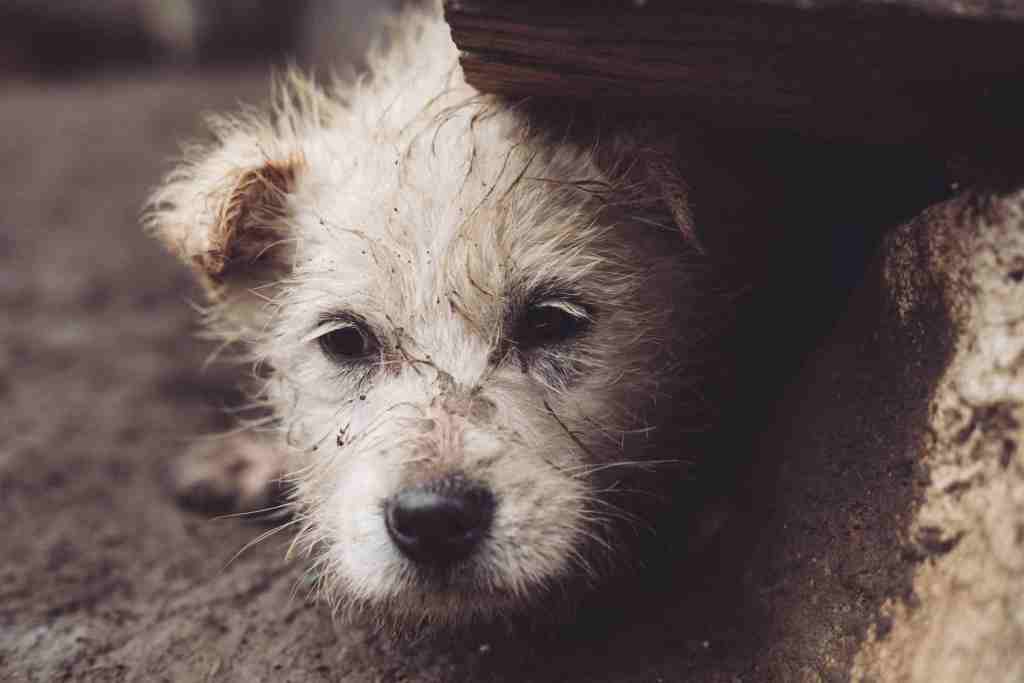

Animal Cruelty Charges in North Carolina: What Defendants Should Understand
Allegations of animal cruelty are taken seriously in North Carolina and often provoke
strong emotional reactions. From a criminal defense standpoint, these cases require
careful, fact-specific analysis. Not every allegation reflects intentional harm,
and many cases involve misunderstandings, medical disputes, or conditions that are
misinterpreted after the fact.
What You Should Know
Animal cruelty charges in North Carolina can be misdemeanors or felonies depending on
the allegations and evidence. Convictions can carry jail or prison exposure, fines,
probation, and long-term consequences. Early legal review is critical because these
cases often rely on subjective assessments and emotionally charged testimony rather
than clear physical evidence.
How North Carolina Defines Animal Cruelty
North Carolina law criminalizes certain acts involving the mistreatment or neglect
of animals. Charges may be based on allegations of intentional harm, failure to provide
adequate care, or conduct deemed cruel under the statute.
Depending on the facts, charges may include:
- Misdemeanor animal cruelty
- Felony animal cruelty
- Failure to provide necessary sustenance or care
- Abandonment of an animal
- Inflicting serious injury or death
The distinction between misdemeanor and felony charges often turns on intent,
severity of harm, and surrounding circumstances.
Why These Cases Are Often More Complex Than They Appear
Animal cruelty cases are rarely as straightforward as headlines suggest.
Allegations may arise from neighbor complaints, animal control inspections,
veterinary opinions, or isolated incidents taken out of context.
Common complicating factors include:
- Disputes over the animal’s medical condition or cause of injury
- Conflicting veterinary opinions
- Conditions related to age, illness, or breed-specific issues
- Temporary lapses in care rather than intentional neglect
- Incomplete or misleading reports by third parties
Criminal liability requires proof beyond a reasonable doubt, not assumptions.
How Animal Cruelty Cases Are Investigated
These cases are typically initiated by animal control officers or law enforcement
following a complaint. Investigations may include:
- Visual inspections of the animal and living conditions
- Photographs or videos taken during inspections
- Veterinary evaluations
- Statements from owners or witnesses
- Seizure of animals in certain circumstances
Statements made early—often under stress—can become central evidence later.
Potential Defenses in Animal Cruelty Cases
Defenses depend on the facts, but common issues examined by defense counsel include:
- Lack of intent to cause harm
- Disputes over medical causation
- Reasonable care under the circumstances
- Improper or incomplete investigation
- Illegal searches or seizures
- Reliance on inaccurate or biased reports
This article provides general information, not legal advice.
Each defense strategy depends on the specific evidence.
Possible Consequences of a Conviction
A conviction for animal cruelty may carry consequences beyond incarceration.
Depending on the charge, penalties may include:
- Jail or prison time
- Probation and court supervision
- Fines and court costs
- Restrictions on animal ownership
- Mandatory counseling or evaluations
- Permanent criminal record
These consequences can affect employment, housing, and personal reputation.
Common Questions About Animal Cruelty Charges
Can neglect be charged even if I didn’t intend harm?
Yes. Some charges are based on alleged failure to provide adequate care,
even without intent to injure.
What if the animal had a medical condition?
Medical explanations are often central to the defense and may require expert review.
Can animals be taken before I’m convicted?
In certain cases, animals may be seized during an investigation.
The legality of seizure depends on the circumstances.
Should I talk to investigators?
Statements can be used as evidence. Understanding your rights is important
before making any statements.
Why Early Criminal Defense Matters
Animal cruelty allegations move quickly and can escalate based on early impressions.
Prompt legal involvement allows for evidence preservation, independent evaluations,
and strategic decision-making before positions harden.
Criminal Defense for Animal Cruelty Charges
Burts Law, PLLC represents individuals charged with animal cruelty offenses
across North Carolina. Our approach emphasizes careful investigation,
legal accuracy, and protecting the rights of the accused throughout the process.
Contact Burts Law, PLLC to discuss your case and understand
your defense options.
