
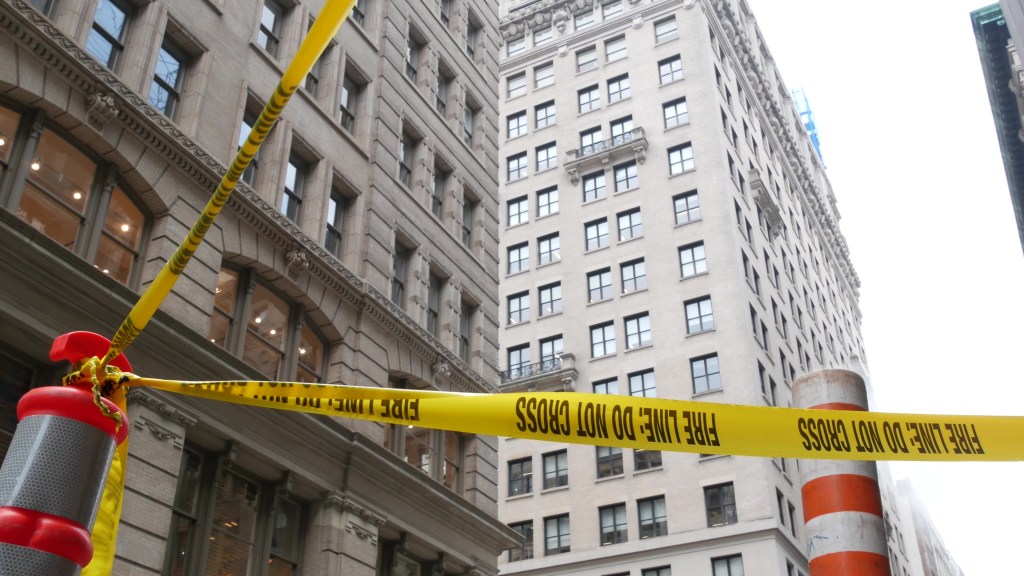

Apartment Complex Shootings: Who Can Be Held Responsible?
Shootings at apartment complexes can have devastating consequences for residents and visitors. In the aftermath of such violence, victims and families often ask whether anyone beyond the shooter can be held legally responsible.
In North Carolina, liability for an apartment complex shooting may extend beyond the individual who committed the crime. Under certain circumstances, property owners, landlords, or management companies may be held responsible if their negligence contributed to unsafe conditions.
Executive Summary
After an apartment complex shooting in North Carolina, liability may extend beyond the perpetrator if the incident was foreseeable and the property owner failed to provide reasonable security. Claims often focus on negligent security, prior criminal activity, and whether safety measures were adequate.
General Rule: The Shooter Is Primarily Responsible
The person who committed the shooting is typically the primary party responsible for the harm caused. Criminal charges and civil liability may apply directly to that individual.
However, the analysis does not always end there.
When Property Owners May Be Liable
Apartment owners and property managers have a duty to maintain reasonably safe premises. When they fail to address known risks, they may be held liable for injuries caused by criminal acts.
Examples that may support liability include:
- Failure to provide adequate security in high-crime areas
- Broken gates, locks, or access control systems
- Poor lighting in parking lots or common areas
- Ignoring prior incidents of violence or criminal activity
- Failure to respond to tenant complaints about safety
The key issue is whether the shooting was foreseeable and preventable through reasonable measures.
The Role of Foreseeability
Foreseeability is one of the most important factors in determining liability. A property owner is more likely to be held responsible if there was a known risk of similar criminal activity.
Factors that may indicate foreseeability include:
- History of shootings, assaults, or violent crime on the property
- Police reports or documented incidents
- Tenant complaints about safety concerns
- Location in a high-crime area without appropriate precautions
If the risk was known or should have been known, the property owner may have had a duty to act.
Common Areas vs. Private Units
Liability often depends on where the shooting occurred.
| Location | Liability Consideration |
|---|---|
| Parking Lots | Property owner responsible for lighting and security |
| Hallways and Stairwells | Typically under landlord control |
| Inside Units | Liability depends on access control and prior risks |
Areas under the landlord’s control are more likely to be scrutinized in a legal claim.
Negligent Security Claims
These cases are often referred to as negligent security claims. They focus on whether the property owner failed to take reasonable steps to prevent foreseeable criminal activity.
Examples of inadequate security may include:
- No security personnel in high-risk complexes
- Non-functioning surveillance cameras
- Uncontrolled access points or broken gates
- Failure to implement basic safety measures
Each case depends on what measures were reasonable under the circumstances.
Who May Be Held Responsible?
Multiple parties may be involved depending on the facts.
| Potential Party | Possible Role |
|---|---|
| Shooter | Directly responsible for the criminal act |
| Property Owner | Responsible for maintaining safe premises |
| Property Management Company | Handles day-to-day safety and maintenance |
| Security Company | May be liable for inadequate services |
Key Factors in Apartment Shooting Cases
| Factor | Why It Matters |
|---|---|
| Prior Criminal Activity | Helps establish foreseeability |
| Security Measures | Shows whether reasonable precautions were taken |
| Property Conditions | Identifies hazards such as poor lighting or broken access points |
| Tenant Complaints | Demonstrates notice of safety issues |
| Location of Incident | Determines control and responsibility |
What Damages May Be Available?
Victims of apartment complex shootings may suffer severe physical and emotional harm. Depending on the circumstances, damages may include:
- Medical expenses
- Lost wages
- Pain and suffering
- Emotional trauma
- Long-term care or rehabilitation
The availability of damages depends on the facts and parties involved.
What To Do After an Apartment Shooting
- Seek immediate medical attention.
- Report the incident to law enforcement.
- Document the scene and any unsafe conditions.
- Gather witness information if possible.
- Preserve any communications with property management.
- Avoid discussing details publicly.
Speak With Burts Law
If you or a loved one was injured in an apartment complex shooting in North Carolina, Burts Law, PLLC can help you understand whether a property owner or other party may be liable. These cases often involve detailed analysis of security measures, prior incidents, and foreseeability.
Contact Burts Law to schedule a confidential consultation and learn more about your legal options.
