
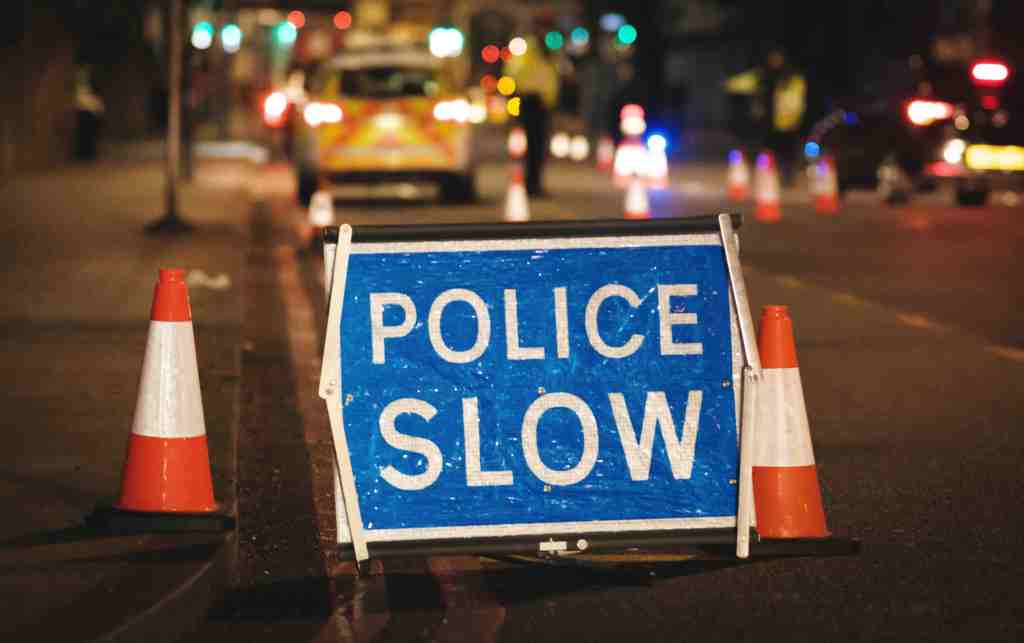

Can Police Search You During a Traffic Stop in North Carolina?
Traffic stops are one of the most common ways people encounter law enforcement.
In North Carolina, many drivers are unsure what officers are legally allowed to do once flashing lights come on.
One of the most important—and misunderstood—questions is whether police can search you
or your vehicle during a routine stop.
What You Should Know
Police do not automatically have the right to search you or your car
during a traffic stop. In most situations, a lawful search requires
consent, probable cause, a warrant, or a recognized legal exception.
Understanding the difference can help protect your constitutional rights.
What Police Are Allowed to Do During a Traffic Stop
During a lawful traffic stop, officers may take certain actions
related to the reason for the stop and officer safety.
- Ask for your driver’s license and registration
- Run a license and warrant check
- Ask questions related to the stop
- Order occupants out of the vehicle
- Issue a citation or warning
These actions alone do not automatically justify a search.
When Police May Search You (Your Person)
Officers may conduct a limited pat-down search of your outer clothing
if they have reasonable suspicion that you are armed and dangerous.
This is commonly referred to as a “frisk.”
A frisk is:
- Limited to checking for weapons
- Not a full search for evidence
- Based on safety concerns, not curiosity
Without reasonable suspicion or consent, a full search of your person
is generally not permitted.
When Police May Search Your Vehicle
Police may search a vehicle during a traffic stop under specific circumstances.
The most common include:
- Consent: You agree to the search
- Probable cause: Evidence of a crime is visible or detected
- Search incident to arrest: Limited scope after arrest
- Inventory search: After lawful impoundment
Each justification has legal limits that must be followed.
Consent Searches: What Many Drivers Don’t Realize
One of the most common ways police conduct vehicle searches is through consent.
If an officer asks, “Do you mind if I take a look?” and you say yes,
the search is usually lawful—even without probable cause.
Important points about consent:
- You have the right to say no
- Consent must be voluntary
- You may limit or withdraw consent
- Refusing consent is not illegal
Probable Cause Searches
Police may search a vehicle without consent if they have probable cause
to believe it contains evidence of a crime.
Examples often cited include:
- Odor of marijuana or alcohol
- Visible contraband
- Admissions made during the stop
- Drug paraphernalia in plain view
Whether probable cause actually existed is frequently challenged in court.
How Long Can Police Detain You?
A traffic stop must last no longer than necessary to address the reason for the stop.
Officers cannot extend a stop just to look for unrelated criminal activity
unless they develop reasonable suspicion.
Prolonged detentions are a common issue in suppression motions.
What If You Are Searched Anyway?
If police conduct a search that violates constitutional rules,
evidence obtained may be challenged and potentially excluded.
These issues are typically addressed through motions filed in court.
This article provides general information, not legal advice.
Every case depends on its specific facts.
What to Do During a Traffic Stop
- Remain calm and respectful
- Provide required identification
- You may decline consent to search
- Do not physically interfere
- Consult an attorney if charged
Criminal Defense Guidance for Traffic Stop Searches
Burts Law, PLLC represents individuals charged following traffic stops
throughout North Carolina. Our approach focuses on analyzing search legality,
protecting constitutional rights, and challenging improper police conduct
when appropriate.
Contact Burts Law, PLLC to discuss your situation
and understand your legal options.
