
Can You Sue for Inadequate Security at a Private Event?

Can You Sue for Inadequate Security at a Private Event? Private events such as weddings, concerts, corporate gatherings, and parties can bring together large groups of people. While these events are meant to be enjoyable, they can also create safety risks if proper security measures are not in place. In North Carolina, injuries caused by […]
How Surveillance Footage Impacts Injury Claims in NC
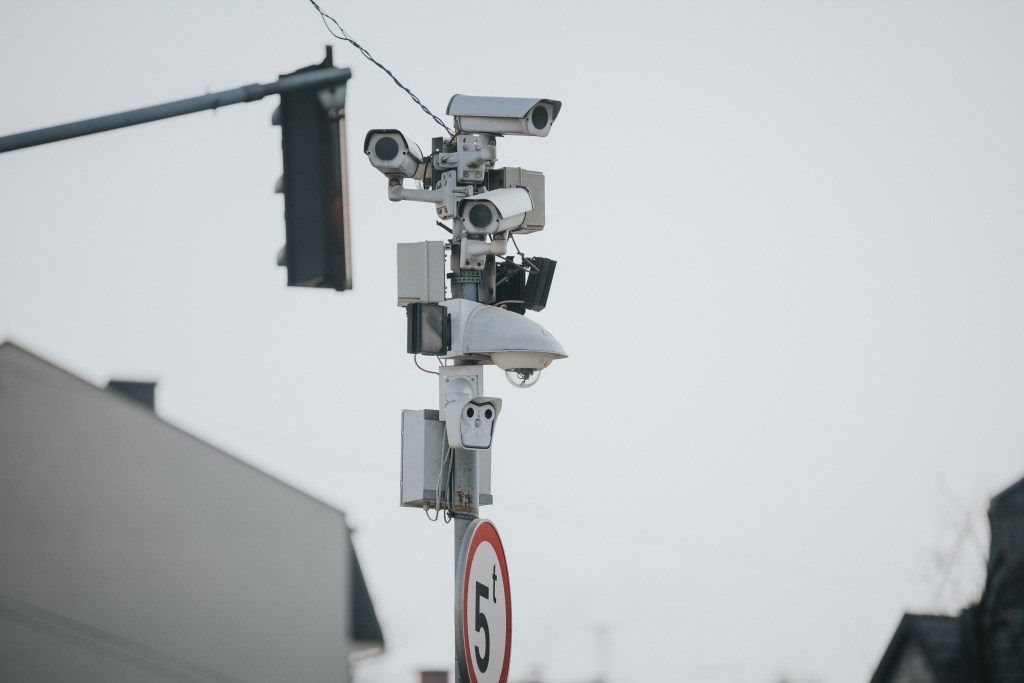
How Surveillance Footage Impacts Injury Claims in NC Surveillance cameras are everywhere—from retail stores and apartment complexes to parking lots and office buildings. When an accident or injury occurs, video footage can play a critical role in determining what happened. In North Carolina injury claims, surveillance footage is often one of the most powerful pieces […]
Can Multiple Parties Be Liable for the Same Injury in NC?

Can Multiple Parties Be Liable for the Same Injury in NC? Not all personal injury cases involve a single responsible party. In many situations, multiple individuals or companies may contribute to the same injury. This is known as multi-party or multiple defendant liability. In North Carolina, determining who is responsible—and to what extent—can be complex. […]
Legal Rights of Nursing Home Residents in North Carolina

Legal Rights of Nursing Home Residents in North Carolina Nursing home residents have important legal rights designed to protect their dignity, safety, and quality of life. Families often rely on these facilities to provide proper care, but understanding these rights is essential to ensuring loved ones are treated appropriately. In North Carolina, both federal and […]
Government Immunity in North Carolina Injury Cases
Government Immunity in North Carolina Injury Cases When an injury is caused by a government entity—such as a city, county, or state agency—filing a claim can be more complicated than a typical personal injury case. One of the main reasons is the legal concept of government immunity. In North Carolina, government immunity can limit when […]
Delivery Driver Accidents and Insurance Coverage Explained

Delivery Driver Accidents and Insurance Coverage Explained With the rise of food delivery and e-commerce, delivery drivers are on North Carolina roads more than ever. When an accident involves a delivery driver, determining who pays for injuries and damages can quickly become complicated. Unlike standard car accidents, delivery driver claims often involve multiple insurance policies, […]
Carbon Monoxide Detectors and Landlord Responsibilities
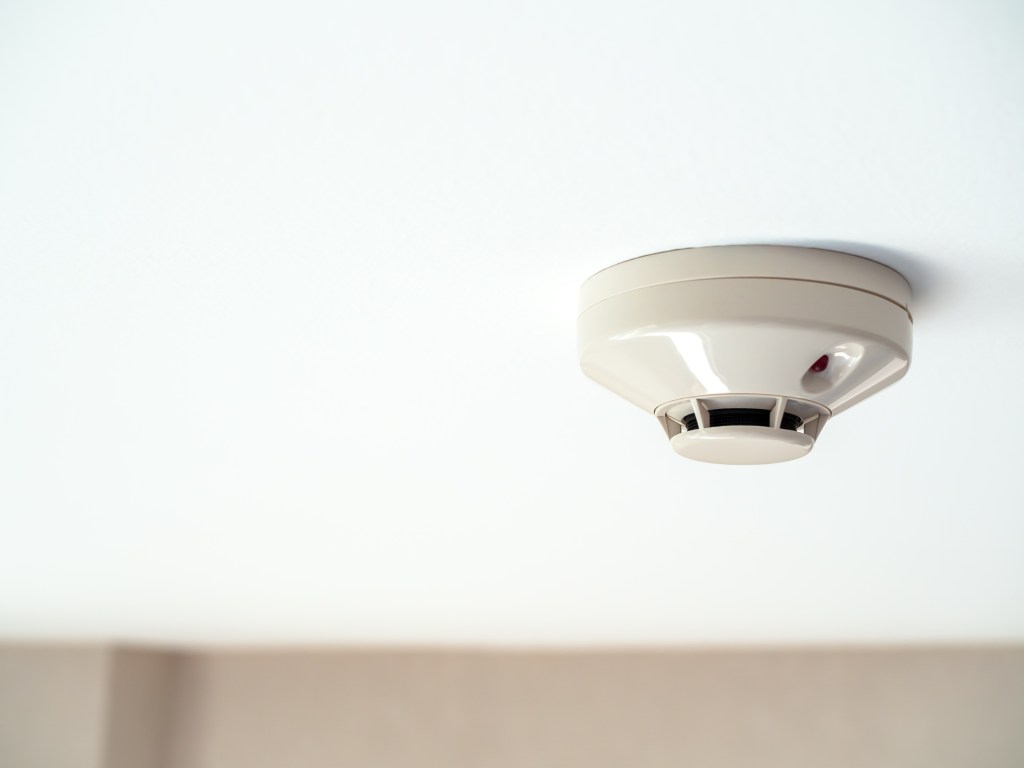
Carbon Monoxide Detectors and Landlord Responsibilities Carbon monoxide is a colorless, odorless gas that can cause serious injury or death without warning. Because it cannot be detected without proper equipment, carbon monoxide detectors play a critical role in protecting tenants and residents. In North Carolina, landlords may have specific responsibilities related to installing and maintaining […]
Landlord Liability for Unsafe Living Conditions in NC
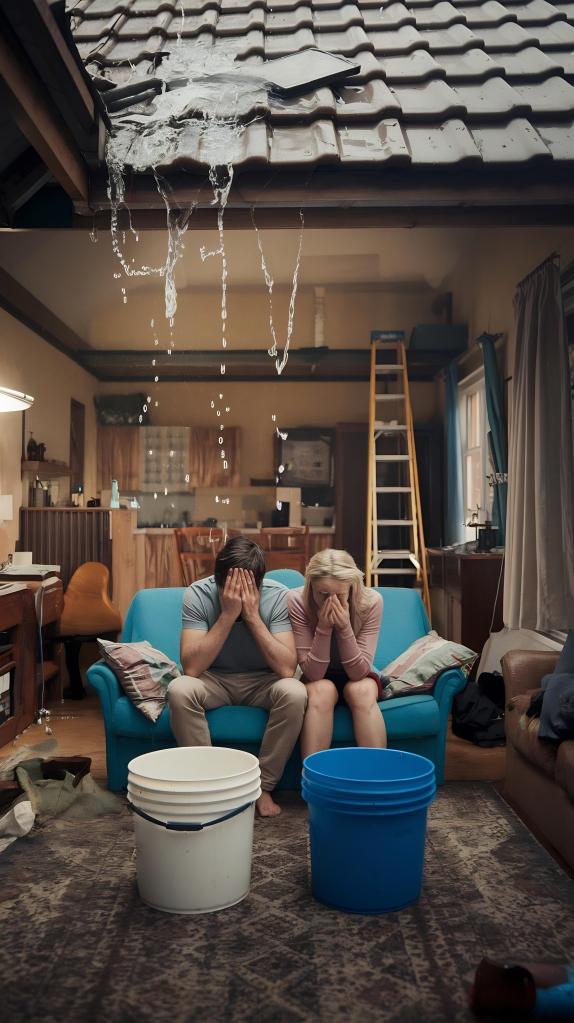
Landlord Liability for Unsafe Living Conditions in NC Tenants in North Carolina have the right to live in safe and habitable housing. When landlords fail to maintain rental properties, unsafe conditions can develop that put residents at risk of injury or illness. In some cases, tenants may have legal options if a landlord’s failure to […]
Toxic Mold vs Normal Mold: When Do You Have a Case?

Toxic Mold vs Normal Mold: When Do You Have a Case? Mold is a common issue in homes and apartment buildings, especially in humid climates like North Carolina. While some mold is relatively harmless, other types can pose serious health risks and lead to legal claims under certain conditions. Understanding the difference between toxic mold […]
What Makes a Negligent Security Case in North Carolina?

What Makes a Negligent Security Case in North Carolina? Crimes like assaults, robberies, and shootings can happen in places where people expect to feel safe—apartment complexes, shopping centers, hotels, and parking lots. When these incidents occur, victims often ask whether the property owner could have done more to prevent the harm. In North Carolina, a […]

