
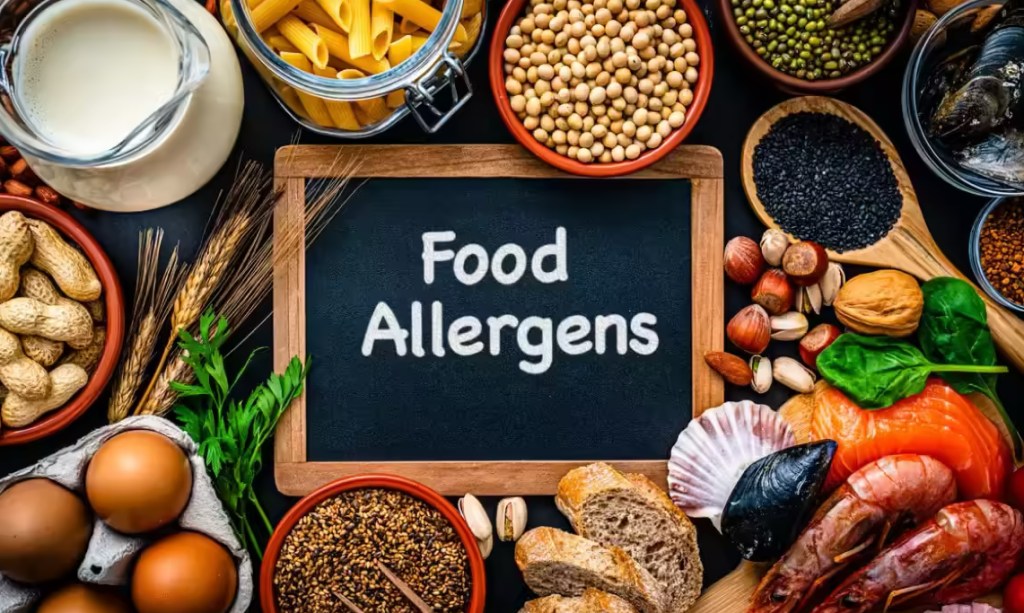

Dairy Allergy Reactions at Restaurants: When a Meal Becomes a Medical Emergency
For individuals with dairy allergies, eating at a restaurant can carry real risks.
Even small amounts of milk, butter, cheese, or cream can trigger severe allergic reactions,
including anaphylaxis. When a restaurant fails to properly handle allergy-related requests,
a routine meal can quickly turn into a medical emergency.
What You Should Know
Restaurants in North Carolina are expected to exercise reasonable care when preparing and
serving food, especially after being informed of a customer’s food allergy.
Dairy allergy injury cases are not about picky eating or preferences—they involve
foreseeable medical risks and preventable failures in food handling, communication,
and training.
Why Dairy Allergies Are Especially Dangerous
Dairy is one of the most common hidden allergens in restaurant food.
It can appear in unexpected ingredients, sauces, marinades, and cooking methods.
Common sources of accidental dairy exposure include:
- Butter or cream used on grills or pans
- Cheese residue on shared cooking surfaces
- Milk-based sauces or dressings
- Breaded or fried foods cooked in shared oil
- Incorrect substitutions or ingredient assumptions
Even trace amounts can cause serious reactions for individuals with severe dairy allergies.
When a Restaurant May Be Legally Responsible
Not every allergic reaction creates legal liability.
The key issue is whether the restaurant failed to use reasonable care after being put on notice
of the allergy.
Liability may arise when a restaurant:
- Ignores or fails to communicate an allergy warning
- Provides incorrect information about ingredients
- Fails to prevent cross-contamination
- Lacks proper training on allergen handling
- Serves food containing dairy after confirming it was dairy-free
These cases often focus on breakdowns in communication between servers, kitchen staff,
and management.
North Carolina Law and Food Allergy Claims
Food allergy injury cases in North Carolina are typically evaluated under negligence
and premises liability principles. Courts look at what the restaurant knew,
what it promised or represented, and whether reasonable precautions were taken.
North Carolina follows a strict contributory negligence rule.
Restaurants may argue that the customer caused the reaction.
Clear documentation of what was communicated and how the food was handled
is often critical.
This article provides general information, not legal advice.
Each case depends on its specific facts.
Common Questions After a Dairy Allergy Reaction
What if I told the server about my allergy?
Disclosure is important. If the allergy was communicated and the restaurant failed
to act appropriately, that information may be central to the claim.
Do menus have to list every allergen?
Not always, but inaccurate or misleading ingredient information can increase risk
and potential liability.
What if the reaction happened later?
Delayed reactions are common with dairy exposure.
Medical records can help establish timing and causation.
Are these cases only for severe reactions?
No. Reactions requiring emergency treatment, medication, or ongoing care
may all be legally significant.
Evidence That Often Matters in Dairy Allergy Cases
| Evidence | Why It Matters |
|---|---|
| Receipts and menu items | Shows what was ordered and represented |
| Medical records | Documents the allergic reaction |
| Witness statements | Confirms allergy disclosure |
| Restaurant incident reports | Creates a contemporaneous record |
| Training and policy materials | Shows allergen-handling standards |
| Kitchen procedures | Reveals cross-contamination risks |
What to Do After a Restaurant Allergy Reaction
- Seek medical attention immediately
- Preserve receipts, menus, and packaging
- Document what was communicated to staff
- Request an incident report if possible
- Avoid recorded statements without guidance
Early documentation can be critical in understanding what went wrong.
Advocacy for Food Allergy Injuries
Burts Law, PLLC represents individuals harmed by preventable safety failures,
including food allergy reactions at restaurants.
Our approach focuses on accountability, careful investigation,
and clear communication about legal options.
Contact Burts Law, PLLC to discuss your situation and learn more about
potential next steps.
