
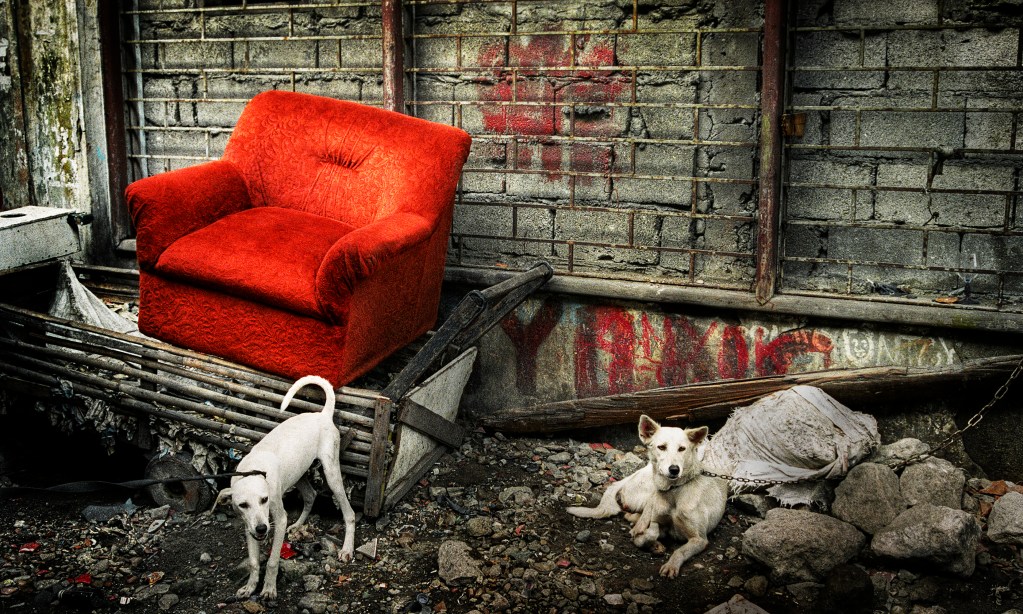

When Property Owners Are Liable for Dangerous Animals
Animal attacks can cause serious injuries, especially when the animal has known aggressive tendencies. While dog owners are often the focus of liability, property owners and landlords may also be held responsible in certain situations.
In North Carolina, liability for injuries caused by dangerous animals depends on factors such as control of the property, knowledge of the animal’s behavior, and whether reasonable steps were taken to prevent harm.
Executive Summary
Property owners in North Carolina may be liable for injuries caused by dangerous animals if they knew about the risk and failed to take reasonable steps to protect others. Liability often depends on knowledge of the animal’s behavior and control over the premises.
What Is Considered a Dangerous Animal?
A dangerous animal is one that has shown aggressive behavior or has a history of attacking or threatening people or other animals.
Examples include:
- Dogs with prior bite incidents
- Animals that have displayed aggressive or threatening behavior
- Pets kept in unsafe or uncontrolled conditions
The classification often depends on prior conduct and local regulations.
When Property Owners May Be Liable
Property owners, including landlords, are not automatically responsible for an animal’s behavior. However, they may be held liable if certain conditions are met.
Examples that may support liability include:
- Knowledge of a dangerous animal on the property
- Failure to take action after learning of prior attacks or complaints
- Allowing unsafe conditions that enable the animal to cause harm
- Failure to enforce lease terms related to pets
The key issue is whether the property owner had the ability and opportunity to prevent the harm.
Landlord vs. Tenant Responsibility
In rental situations, liability often depends on who had control over the animal and the property.
| Party | Typical Responsibility |
|---|---|
| Tenant (Animal Owner) | Primary responsibility for controlling the animal |
| Landlord | May be liable if aware of danger and fails to act |
Landlords are more likely to face liability when they have knowledge of a dangerous condition and the ability to address it.
The Importance of Knowledge and Control
Two of the most important factors in these cases are knowledge and control.
- Knowledge: Did the property owner know the animal was dangerous?
- Control: Did the owner have the ability to remove or manage the risk?
If both factors are present, liability is more likely.
Common Scenarios Involving Property Owner Liability
- A landlord ignores complaints about a tenant’s aggressive dog
- A property owner allows a dangerous animal to remain in common areas
- A landlord fails to enforce pet restrictions after a prior incident
These situations may raise questions about negligent oversight.
Who May Be Held Responsible?
| Potential Party | Possible Responsibility |
|---|---|
| Animal Owner | Primary responsibility for the animal’s behavior |
| Property Owner or Landlord | May be liable if aware of risk and fails to act |
| Property Management Company | Handles enforcement of policies and tenant issues |
| Animal Caretaker | Responsible if in control at the time of the incident |
Key Factors in Dangerous Animal Cases
| Factor | Why It Matters |
|---|---|
| History of Aggression | Establishes foreseeability |
| Notice to Property Owner | Shows awareness of the risk |
| Control Over Property | Determines ability to prevent harm |
| Lease Terms | Indicates whether restrictions were in place |
| Response to Complaints | Shows whether action was taken |
What Damages May Be Available?
Injuries caused by dangerous animals can be severe and life-changing. Depending on the case, damages may include:
- Medical expenses
- Lost wages
- Pain and suffering
- Scarring or disfigurement
- Emotional distress
The availability of damages depends on the facts and parties involved.
What To Do After an Animal Attack
- Seek immediate medical attention.
- Report the incident to animal control.
- Identify the animal and its owner.
- Document injuries and the scene.
- Gather witness information if possible.
- Preserve all records and communications.
Speak With Burts Law
If you were injured by a dangerous animal in North Carolina, Burts Law, PLLC can help you understand whether a property owner or other party may be liable. These cases often involve evaluating knowledge of the risk, control of the property, and prior incidents.
Contact Burts Law to schedule a confidential consultation and learn more about your legal options.
