
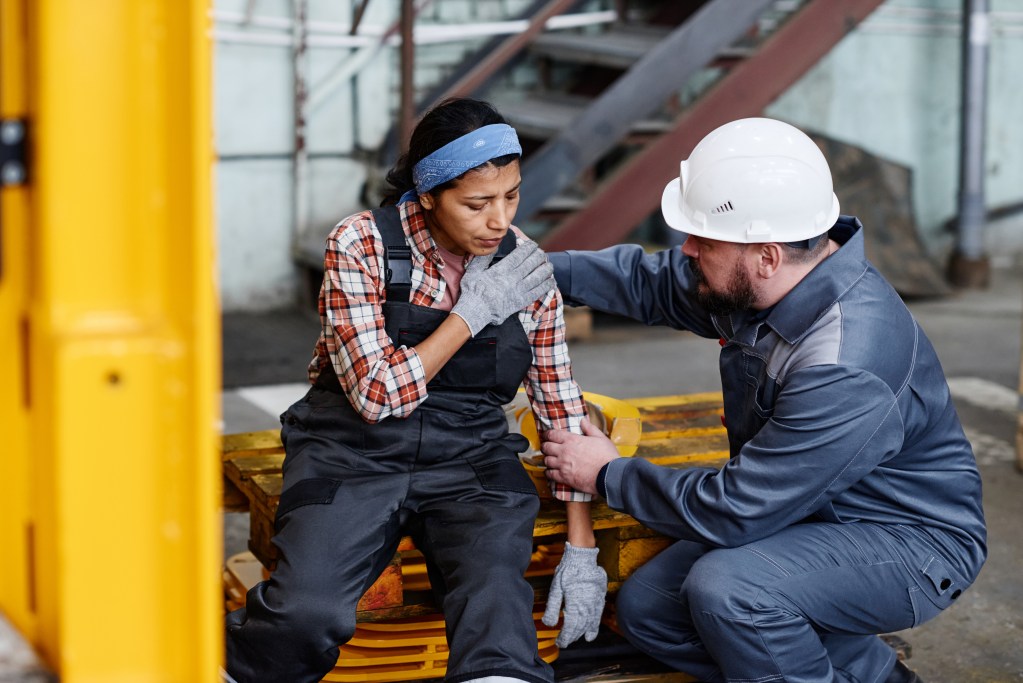

Injured by Defective Equipment at Work: Who Is Liable?
Workplace injuries involving defective equipment can happen suddenly and cause serious harm. From malfunctioning machinery to faulty tools, these incidents often raise an important question: who is legally responsible?
In North Carolina, injured workers may have more than one legal option. While workers’ compensation may cover certain benefits, liability may also extend to third parties—such as manufacturers, maintenance companies, or other contractors—if defective equipment played a role in the injury.
Executive Summary
If you are injured by defective equipment at work in North Carolina, liability may extend beyond your employer. While workers’ compensation may apply, you may also have a third-party claim against a manufacturer, distributor, or maintenance provider if the equipment was defective or improperly maintained.
Common Types of Defective Equipment Injuries
Defective equipment can cause a wide range of injuries across different industries, especially in construction, manufacturing, and warehouse environments.
- Machinery malfunctions or unexpected movement
- Broken safety guards or missing protective features
- Electrical equipment failures
- Defective power tools or hand tools
- Equipment that fails under normal use
- Hydraulic or mechanical system failures
These types of failures may result from design defects, manufacturing issues, or lack of proper maintenance.
Workers’ Compensation vs. Third-Party Claims
Workers’ compensation typically provides benefits regardless of fault, including medical expenses and partial wage replacement. However, it generally limits your ability to sue your employer directly.
That does not prevent you from filing a claim against a third party who contributed to the injury. If defective equipment caused or contributed to the accident, you may have a separate claim outside of workers’ compensation.
Who May Be Liable for Defective Equipment?
Several parties may be responsible depending on how the defect occurred and who had control over the equipment.
| Potential Party | Possible Role |
|---|---|
| Equipment Manufacturer | May be liable for design or manufacturing defects |
| Distributor or Supplier | May share responsibility for defective products |
| Maintenance Company | May be liable for failing to repair or service equipment |
| Third-Party Contractor | May contribute to unsafe conditions on a job site |
| Property Owner or Site Manager | May be responsible for unsafe equipment conditions |
Types of Equipment Defects
Defective equipment claims often fall into one of three categories:
- Design Defects: The product is inherently unsafe due to its design
- Manufacturing Defects: Errors occur during production, making the equipment unsafe
- Failure to Warn: The manufacturer failed to provide adequate instructions or warnings about risks
Identifying the type of defect is often critical in determining liability.
Key Factors in Defective Equipment Cases
| Factor | Why It Matters |
|---|---|
| Condition of Equipment | Helps determine whether a defect existed |
| Maintenance Records | Shows whether proper upkeep was performed |
| Usage Conditions | Determines whether the equipment was used as intended |
| Inspection History | Indicates whether issues were identified |
| Product Documentation | Helps evaluate warnings and instructions |
What Damages May Be Available?
In addition to workers’ compensation benefits, a third-party claim may allow for broader recovery depending on the circumstances.
- Medical expenses
- Full lost wages and future earning capacity
- Pain and suffering
- Emotional distress
- Long-term care or rehabilitation
The available damages depend on the facts and evidence in each case.
What To Do After a Defective Equipment Injury
- Seek immediate medical attention.
- Report the injury to your employer.
- Preserve the equipment involved if possible.
- Document the scene and any visible defects.
- Identify witnesses and gather contact information.
- Avoid making detailed public statements about the incident.
Speak With Burts Law
If you were injured by defective equipment at work in North Carolina, Burts Law, PLLC can help you understand whether you may have a third-party claim in addition to workers’ compensation benefits. These cases often involve product defects, maintenance issues, and multiple responsible parties.
Contact Burts Law to schedule a confidential consultation and learn more about your legal options.
