
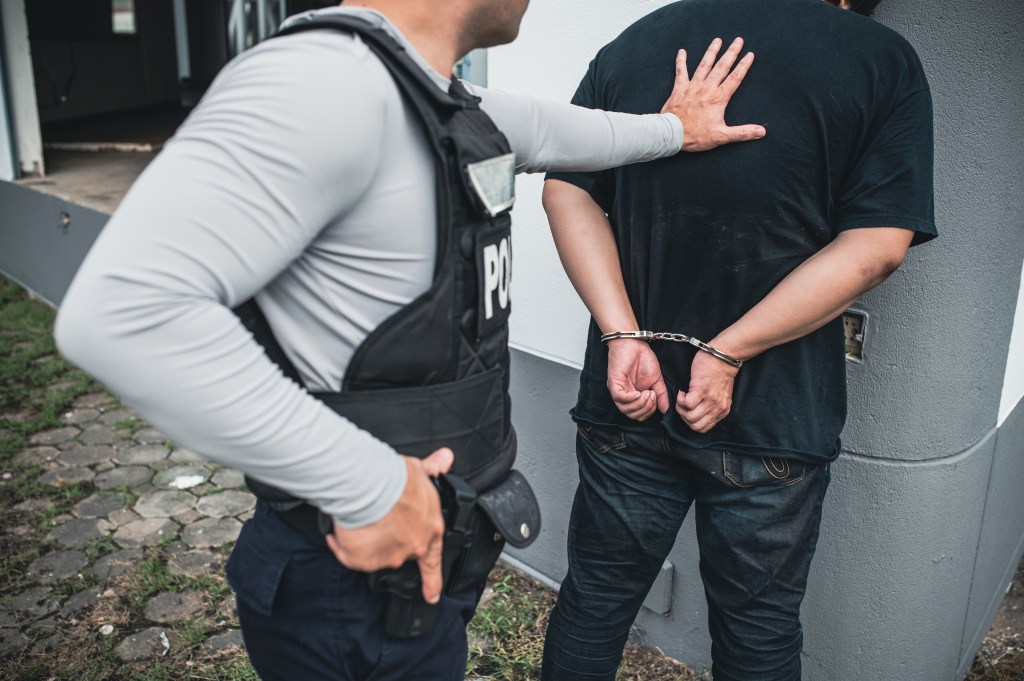

If you’ve been the victim of excessive force by law enforcement in North Carolina, you may be entitled to file a civil lawsuit — but success depends on one thing: evidence. Without strong, compelling proof, even the most egregious misconduct can go unpunished.
In this post, we’ll break down what evidence matters most in excessive force cases — and how you can protect your rights from day one.
👮♂️ What Is Excessive Force?
Excessive force occurs when law enforcement officers use more force than is necessary to subdue, arrest, or control a person. It can include:
-
🤕 Physical assault (punches, kicks, beatings)
-
🧨 Use of tasers, pepper spray, or batons
-
🔫 Deadly force (e.g., shooting)
-
🚨 Improper restraint techniques
-
🗣️ Verbal threats paired with physical aggression
In North Carolina, excessive force lawsuits are typically brought under 42 U.S.C. § 1983, a federal statute that allows individuals to sue for civil rights violations by government actors.
📸 Crucial Evidence in Excessive Force Lawsuits
To win your case, documentation is everything. Here are the most important types of evidence:
1. 🎥 Video Footage
-
Body camera or dash cam footage from the officer
-
Surveillance cameras in public spaces or private businesses
-
Bystander cell phone recordings
-
Pro Tip: Request or preserve this footage immediately before it’s deleted or overwritten.
2. 👁️ Eyewitness Testimony
-
Statements from people who saw the incident
-
Contact information for nearby civilians
-
Independent witnesses (not just friends/family)
Their unbiased account can strengthen your version of events and rebut the officer’s report.
3. 🩺 Medical Records & Photos
-
Emergency room records and discharge papers
-
Photos of injuries taken ASAP after the incident
-
Documentation of follow-up care (e.g., therapy, surgery)
These show not only the extent of your injuries but also how they align (or don’t align) with the officer’s explanation.
4. 📝 Police Reports & Internal Records
-
Arrest report and use-of-force documentation
-
Internal affairs complaints, prior misconduct by the officer
-
Departmental policies on appropriate force
Sometimes, a history of violence or failure to follow protocol is just as damning as the incident itself.
5. 📱 Text Messages, Social Media, and 911 Calls
-
Any communications or posts made shortly after the event
-
Audio from 911 or police dispatch
-
Officer statements or contradictions
Even digital breadcrumbs can support your story and timeline.
⚖️ Why Legal Representation Matters
Excessive force cases are difficult to win — especially in North Carolina, where officers often receive qualified immunity protections. That’s why working with a skilled attorney is critical.
At Burts Law, PLLC, we dig deep. We preserve body cam footage, subpoena medical records, and challenge every part of the narrative designed to justify violence. We’re not afraid to take on law enforcement — and we’ll fight for your civil rights. ✊
📞 Ready to Stand Up for Justice? Call Burts Law, PLLC Today
If you or a loved one has been injured by police misconduct in North Carolina, don’t wait. Evidence disappears fast. Let us act quickly to preserve your rights and build a powerful case.
📱 Call (866) BURTS-LAW or visit 🌐 www.burtslaw-sc.com for your free, confidential consultation.
