
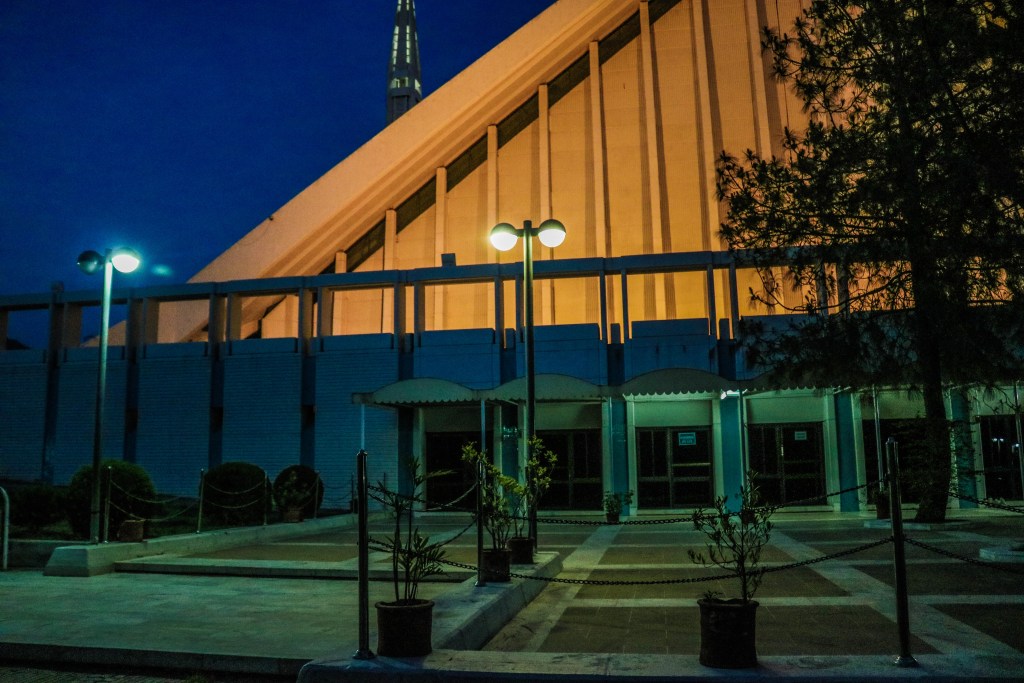

Liability for Injuries Caused by Poor Lighting on Commercial Property
Poor lighting on commercial property can create dangerous conditions that increase the risk of injuries. Whether it involves a trip and fall, an assault, or another incident, inadequate lighting can make hazards harder to see and reduce a person’s ability to react in time.
In North Carolina, property owners and businesses may be held liable for injuries caused by unsafe conditions, including poor lighting. These cases are typically evaluated under premises liability law, which focuses on whether the property owner acted reasonably to maintain a safe environment.
Executive Summary
In North Carolina, a property owner may be liable for injuries caused by poor lighting if it created an unsafe condition and the owner knew or should have known about it. Liability depends on factors such as maintenance, prior complaints, and whether reasonable steps were taken to fix the problem.
Why Lighting Is a Safety Issue
Lighting plays a critical role in identifying hazards and preventing accidents. Inadequate lighting can obscure obstacles, uneven surfaces, or dangerous conditions, making it more likely that someone will be injured.
Beyond physical hazards, poor lighting can also contribute to security risks by making it easier for criminal activity to occur without detection.
Common Injuries Linked to Poor Lighting
Injuries caused by poor lighting can occur in a variety of ways, including:
- Slip and fall accidents
- Trips over uneven surfaces or obstacles
- Falls on stairs or walkways
- Assaults or other criminal acts in dark areas
- Vehicle or pedestrian accidents in poorly lit parking lots
These incidents may happen in parking lots, stairwells, hallways, entryways, or other common areas of commercial property.
When a Property Owner May Be Liable
Property owners are not automatically responsible for every injury that occurs on their premises. However, they may be liable if they failed to take reasonable steps to address unsafe lighting conditions.
Examples of situations that may support liability include:
- Burned-out lights that were not replaced
- Lighting systems that were not properly maintained
- Failure to install adequate lighting in known high-risk areas
- Ignoring complaints about dark or unsafe conditions
- Poor design that leaves critical areas insufficiently lit
If the property owner knew or should have known about the hazard and failed to correct it, that may be considered negligence.
What Is Premises Liability?
Premises liability is a legal concept that holds property owners responsible for maintaining reasonably safe conditions. In North Carolina, this includes addressing hazards that could foreseeably cause harm to visitors.
In poor lighting cases, the focus is on whether the lighting condition created an unreasonable risk and whether the property owner acted appropriately to fix it.
Foreseeability and Notice
Foreseeability is a key factor in determining liability. A property owner is more likely to be held responsible if there were warning signs that the lighting condition was dangerous.
Relevant factors may include:
- Prior incidents or accidents in the same area
- Repeated complaints about lighting issues
- Maintenance records showing ongoing problems
- The nature of the property and expected foot traffic
If the danger was foreseeable and preventable, liability may be more likely.
Key Factors in Poor Lighting Cases
| Factor | Why It Matters |
|---|---|
| Lighting Condition | Determines visibility and risk level |
| Maintenance Records | Shows whether the issue was addressed |
| Prior Complaints | Establishes notice of the hazard |
| Location of Incident | Indicates level of expected safety measures |
| Property Use | Affects the standard of care required |
Who May Be Responsible?
Liability may involve multiple parties depending on who controlled and maintained the property.
| Potential Party | Possible Role |
|---|---|
| Property Owner | Responsible for overall safety and maintenance |
| Property Management Company | Handles day-to-day operations and repairs |
| Maintenance Contractor | May be liable for failing to repair lighting systems |
| Business Tenant | May share responsibility depending on control of the area |
What Damages May Be Available?
Victims of injuries caused by poor lighting may suffer both physical and financial harm. Depending on the situation, damages may include:
- Medical expenses
- Lost wages
- Pain and suffering
- Emotional distress
- Long-term care or rehabilitation
The types of damages available depend on the facts of each case.
What To Do After an Injury Caused by Poor Lighting
- Seek medical attention immediately.
- Report the incident to the property owner or manager.
- Document the lighting conditions and surrounding area.
- Take photographs if possible.
- Identify witnesses and gather contact information.
- Preserve any evidence related to the incident.
Speak With Burts Law
If you or a loved one has been injured due to poor lighting on commercial property in North Carolina, Burts Law, PLLC can help you understand your rights and evaluate whether a premises liability claim may be available. These cases often depend on maintenance, notice, and whether reasonable steps were taken to prevent harm.
Contact Burts Law to schedule a confidential consultation and learn more about your legal options.
