
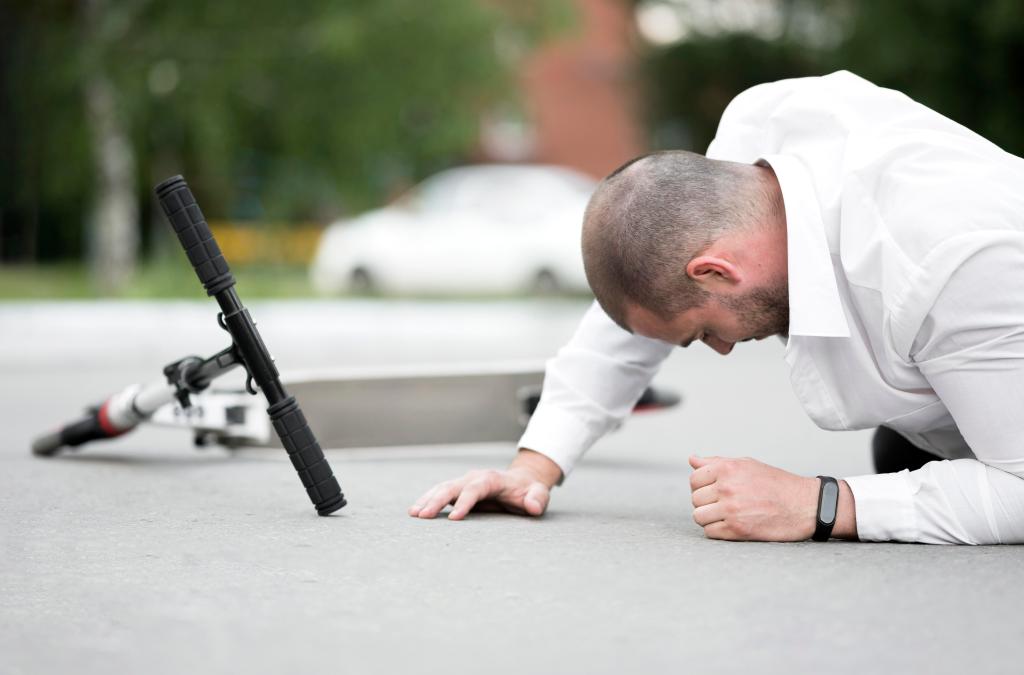

City Liability for Sidewalk and Road Injuries
Sidewalks and roadways are essential for everyday travel, but when they are poorly maintained, they can become dangerous. Cracked sidewalks, uneven pavement, and hazardous road conditions can lead to serious injuries for pedestrians, cyclists, and drivers.
In North Carolina, cities and municipalities may be responsible for maintaining these public areas. However, holding a city liable for an injury involves unique legal challenges, including government immunity.
Executive Summary
Cities in North Carolina may be liable for sidewalk and road injuries if they fail to maintain safe conditions or address known hazards. However, government immunity may limit claims unless it has been waived, such as through insurance coverage. Liability often depends on notice, maintenance practices, and the nature of the hazard.
Who Is Responsible for Sidewalks and Roads?
Responsibility for sidewalks and roadways depends on the location and type of property.
- City or Municipality: Typically responsible for public sidewalks and roads
- State Government: May be responsible for highways and major roads
- Private Property Owners: May be responsible for adjacent sidewalks in certain situations
Identifying the responsible party is a key step in any claim.
Common Causes of Sidewalk and Road Injuries
Hazards can develop over time or result from poor maintenance.
- Cracked or uneven sidewalks
- Potholes or damaged road surfaces
- Loose debris or obstructions
- Poor lighting in walkways
- Improperly marked construction zones
These conditions can create risks if not addressed promptly.
When a City May Be Liable
A city may be held liable if it knew—or should have known—about a dangerous condition and failed to fix it within a reasonable time.
Examples that may support liability include:
- Ignoring reports of hazardous sidewalk conditions
- Failing to repair potholes after receiving notice
- Not providing warnings about known dangers
- Delays in addressing recurring maintenance issues
The key issue is whether the city acted reasonably in maintaining public areas.
The Role of Government Immunity
Government immunity can limit when a city can be sued. This legal protection applies to many governmental functions, including road maintenance.
However, immunity may be waived in certain situations, such as:
- When the city has liability insurance
- When the activity is considered proprietary rather than governmental
Determining whether immunity applies is often a critical part of the case.
The Importance of Notice
In many cases, liability depends on whether the city had notice of the hazard.
| Type of Notice | What It Means |
|---|---|
| Actual Notice | The city was directly informed of the hazard |
| Constructive Notice | The hazard existed long enough that the city should have known |
If the city failed to act after receiving notice, liability may arise.
Who May Be Held Responsible?
Multiple parties may be involved depending on the situation.
| Potential Party | Possible Responsibility |
|---|---|
| City or Municipality | Responsible for maintaining public sidewalks and roads |
| State Agency | Responsible for highways and major roads |
| Contractors | May be liable for unsafe construction or repairs |
| Property Owners | May share responsibility for adjacent areas |
Key Factors in Sidewalk and Road Injury Cases
| Factor | Why It Matters |
|---|---|
| Location of Hazard | Determines who is responsible |
| Duration of Hazard | Helps establish notice |
| Maintenance Records | Shows whether repairs were attempted |
| Warnings or Signage | Indicates whether risks were communicated |
| Severity of Condition | Evaluates level of danger |
What Damages May Be Available?
Sidewalk and road injuries can lead to significant physical and financial harm. Depending on the case, damages may include:
- Medical expenses
- Lost wages
- Pain and suffering
- Property damage
- Long-term care or rehabilitation
The availability of damages depends on the facts and legal limitations involved.
What To Do After a Sidewalk or Road Injury
- Seek immediate medical attention.
- Document the hazard with photos or videos.
- Report the condition to the appropriate authority.
- Gather witness information if possible.
- Preserve records of the incident and injuries.
- Be aware of strict deadlines for claims against government entities.
Speak With Burts Law
If you were injured due to a sidewalk or road hazard in North Carolina, Burts Law, PLLC can help you understand whether a claim may be possible. These cases often involve complex issues such as government immunity, notice, and maintenance responsibilities.
Contact Burts Law to schedule a confidential consultation and learn more about your legal options.
