
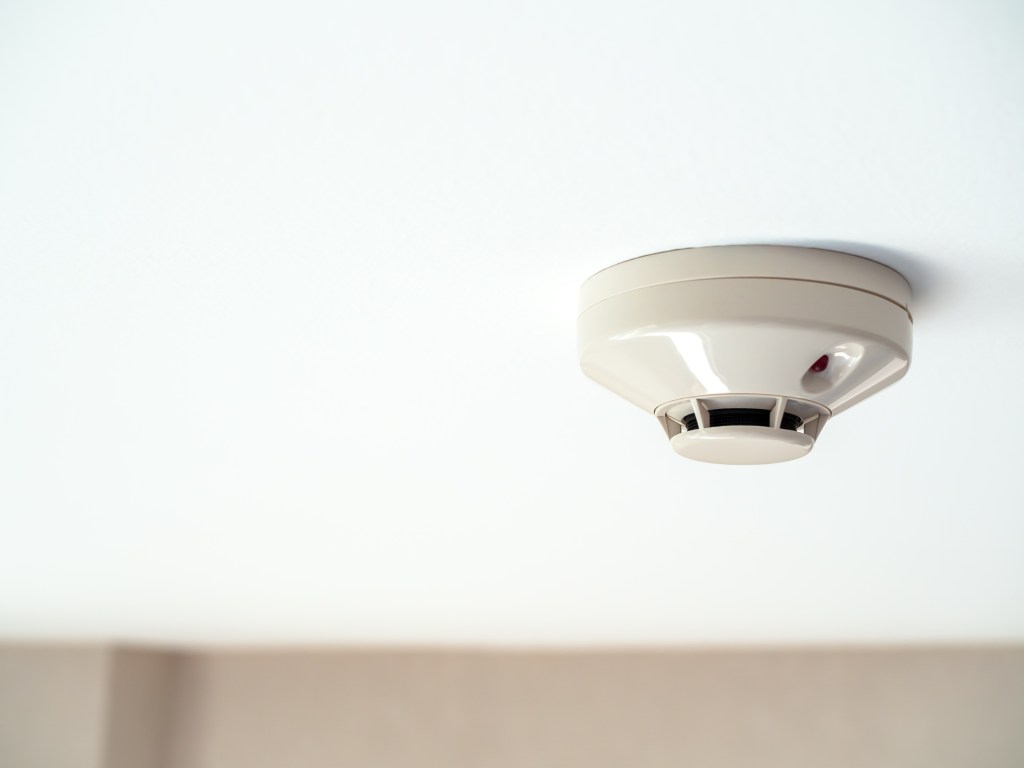

Carbon Monoxide Detectors and Landlord Responsibilities
Carbon monoxide is a colorless, odorless gas that can cause serious injury or death without warning. Because it cannot be detected without proper equipment, carbon monoxide detectors play a critical role in protecting tenants and residents.
In North Carolina, landlords may have specific responsibilities related to installing and maintaining carbon monoxide detectors. When these responsibilities are not met, serious legal consequences can arise.
Executive Summary
North Carolina law requires carbon monoxide detectors in certain residential properties. Landlords may be liable if they fail to install, maintain, or repair detectors and a tenant is injured as a result. Liability often depends on compliance with safety requirements and whether the landlord responded to known issues.
What Is Carbon Monoxide and Why Is It Dangerous?
Carbon monoxide (CO) is a toxic gas produced by burning fuel in appliances such as furnaces, water heaters, stoves, and fireplaces. Exposure can occur without warning and may quickly become life-threatening.
Common symptoms of carbon monoxide exposure include:
- Headaches or dizziness
- Nausea or vomiting
- Confusion or disorientation
- Loss of consciousness
Because symptoms may not be immediately recognized, functioning detectors are essential.
North Carolina Carbon Monoxide Detector Requirements
North Carolina law requires carbon monoxide detectors in certain residential properties, particularly where there are fuel-burning appliances or attached garages.
| Requirement | Description |
|---|---|
| Detector Installation | Required in homes with fuel-burning appliances or attached garages |
| Location | Typically placed near sleeping areas |
| Maintenance | Detectors must be kept in working condition |
Local building codes and regulations may also apply depending on the property.
Landlord Responsibilities
Landlords in North Carolina are generally responsible for ensuring that rental properties are safe and habitable. This includes compliance with applicable safety laws, including carbon monoxide detector requirements.
Responsibilities may include:
- Installing detectors where required by law
- Ensuring detectors are functional at the start of a tenancy
- Repairing or replacing defective detectors when notified
- Maintaining systems that may produce carbon monoxide
Failure to meet these obligations may lead to liability in certain situations.
When a Landlord May Be Liable
A landlord may be held liable if a tenant is injured due to carbon monoxide exposure and the landlord failed to meet legal or safety obligations.
Examples that may support a claim include:
- Failure to install required carbon monoxide detectors
- Ignoring tenant complaints about faulty detectors
- Failure to maintain fuel-burning appliances
- Delays in addressing known hazards
The key issue is whether the landlord acted reasonably to prevent foreseeable harm.
The Role of Notice
In many cases, liability depends on whether the landlord knew—or should have known—about the problem.
| Type of Notice | What It Means |
|---|---|
| Actual Notice | The tenant directly informed the landlord |
| Constructive Notice | The landlord should have known through reasonable inspection |
If the landlord failed to act after receiving notice, liability may arise.
Who May Be Held Responsible?
Liability may extend beyond the landlord depending on the situation.
| Potential Party | Possible Responsibility |
|---|---|
| Landlord or Property Owner | Responsible for compliance and maintenance |
| Property Management Company | Handles repairs and tenant communication |
| Maintenance Contractors | May be liable for improper servicing of systems |
| Equipment Manufacturers | Liable for defective detectors or appliances |
Key Factors in Carbon Monoxide Cases
| Factor | Why It Matters |
|---|---|
| Detector Presence | Determines compliance with legal requirements |
| Functionality | Shows whether the detector was working |
| Maintenance of Appliances | Identifies source of carbon monoxide |
| Notice of Issues | Establishes landlord awareness |
| Response Time | Evaluates whether action was taken promptly |
What Damages May Be Available?
Carbon monoxide exposure can result in serious and long-term harm. Depending on the case, damages may include:
- Medical expenses
- Lost wages
- Pain and suffering
- Emotional distress
- Long-term medical care
The availability of damages depends on the facts and circumstances.
What To Do If You Suspect Carbon Monoxide Exposure
- Leave the area immediately and seek fresh air.
- Call emergency services if symptoms are severe.
- Seek medical evaluation as soon as possible.
- Report the issue to your landlord or property manager.
- Document the condition of detectors and appliances.
- Preserve any records or communications.
Speak With Burts Law
If you or a loved one has been affected by carbon monoxide exposure in North Carolina, Burts Law, PLLC can help you understand whether a claim may be available. These cases often involve issues of safety compliance, maintenance, and landlord responsibilities.
Contact Burts Law to schedule a confidential consultation and learn more about your legal options.
