
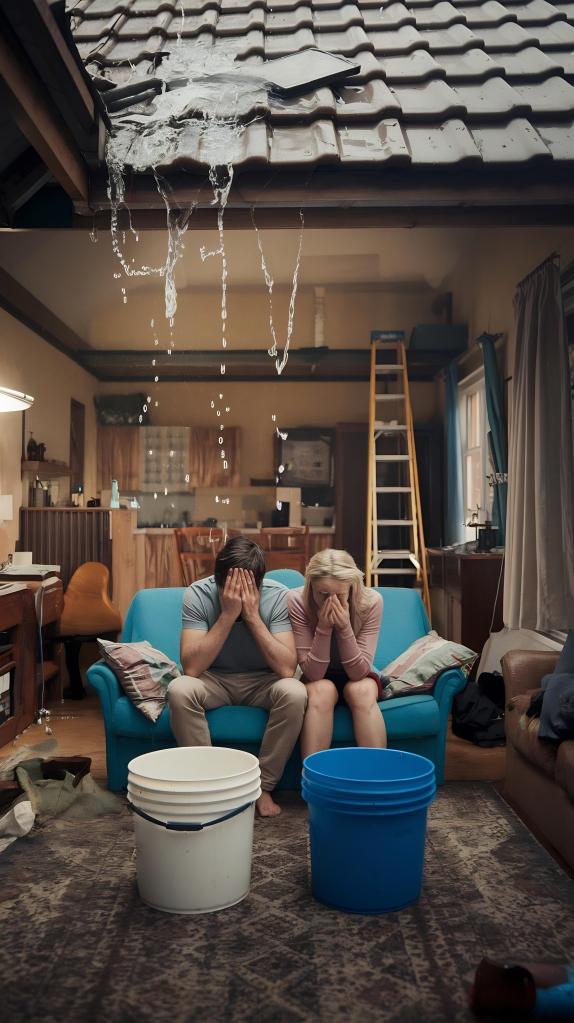

Landlord Liability for Unsafe Living Conditions in NC
Tenants in North Carolina have the right to live in safe and habitable housing. When landlords fail to maintain rental properties, unsafe conditions can develop that put residents at risk of injury or illness.
In some cases, tenants may have legal options if a landlord’s failure to address dangerous conditions leads to harm. These situations often fall under premises liability and landlord-tenant law.
Executive Summary
Landlords in North Carolina may be liable for unsafe living conditions if they fail to maintain rental properties in a habitable condition. Claims often involve issues such as mold, structural hazards, faulty wiring, or failure to repair known problems.
What Are Unsafe Living Conditions?
Unsafe living conditions are hazards that make a property dangerous or unfit for normal use. These conditions may develop over time or result from poor maintenance.
Common examples include:
- Mold growth due to water damage or leaks
- Electrical hazards or exposed wiring
- Structural issues such as collapsing ceilings or floors
- Plumbing problems causing flooding or contamination
- Pest infestations affecting health and safety
These issues can create serious risks if not addressed promptly.
Landlord Responsibilities in North Carolina
Under North Carolina law, landlords are generally required to maintain rental properties in a safe and habitable condition. This includes making necessary repairs and addressing conditions that could pose a risk to tenants.
Responsibilities may include:
- Keeping the property structurally sound
- Maintaining plumbing, electrical, and heating systems
- Addressing water damage and preventing mold growth
- Ensuring common areas are safe
Failure to meet these obligations may lead to liability in certain situations.
When a Landlord May Be Liable
A landlord may be held liable if they knew—or should have known—about a dangerous condition and failed to fix it within a reasonable time.
Examples that may support a claim include:
- Ignoring tenant complaints about unsafe conditions
- Delaying necessary repairs
- Failing to address recurring problems
- Allowing hazardous conditions to worsen over time
The key issue is whether the landlord acted reasonably in maintaining the property.
The Importance of Notice
In many cases, liability depends on whether the landlord had notice of the problem.
| Type of Notice | What It Means |
|---|---|
| Actual Notice | The tenant directly informed the landlord |
| Constructive Notice | The landlord should have known through reasonable inspection |
If the landlord knew—or should have known—about the issue, they may have had a duty to act.
Who May Be Held Responsible?
Liability may extend beyond the landlord depending on who was involved in maintaining the property.
| Potential Party | Possible Responsibility |
|---|---|
| Landlord or Property Owner | Responsible for overall property maintenance |
| Property Management Company | Handles repairs and tenant communications |
| Maintenance Contractors | May be liable for improper repairs |
Key Factors in Unsafe Housing Cases
| Factor | Why It Matters |
|---|---|
| Severity of Condition | Determines level of risk |
| Duration of Problem | Shows how long the hazard existed |
| Notice to Landlord | Establishes awareness of the issue |
| Response Time | Evaluates whether action was taken promptly |
| Impact on Tenant | Links condition to injury or loss |
What Damages May Be Available?
Unsafe living conditions can result in physical, emotional, and financial harm. Depending on the case, damages may include:
- Medical expenses
- Relocation costs
- Lost wages
- Pain and suffering
- Property damage
The availability of damages depends on the facts of the case.
What To Do If You Are Living in Unsafe Conditions
- Document the unsafe conditions with photos or videos.
- Notify your landlord in writing.
- Keep records of all communications.
- Seek medical attention if necessary.
- Avoid attempting major repairs yourself.
- Preserve evidence of the condition and its impact.
Speak With Burts Law
If you are dealing with unsafe living conditions in North Carolina, Burts Law, PLLC can help you understand whether a legal claim may be available. These cases often involve evaluating landlord responsibilities, property conditions, and the impact on tenants.
Contact Burts Law to schedule a confidential consultation and learn more about your legal options.
